
Persistent abdominal pain, an unexplained swelling or a wound that is not healing properly should not be ignored. While many everyday symptoms improve with basic treatment, certain conditions require evaluation by a general surgeon to identify the underlying cause and prevent complications.
Dr. Vipul Nandu provides consultation as a general surgeon in Goregaon for conditions involving the abdomen, digestive system, breast, thyroid, veins, skin and soft tissues. Patients from Goregaon and nearby western Mumbai localities can seek an assessment when symptoms persist, return frequently or affect daily activities.
What Conditions Does a General Surgeon Treat?
General surgery covers both planned procedures and emergency medical conditions. A general surgeon may diagnose and manage:
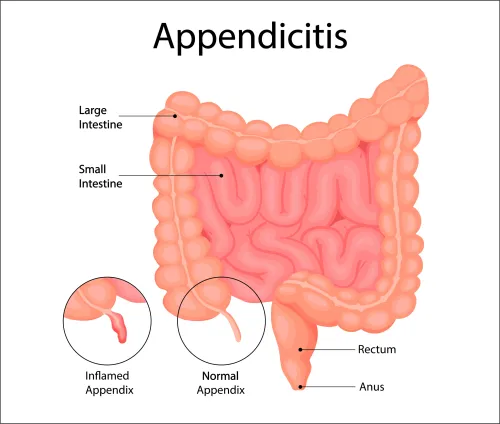
- Appendicitis
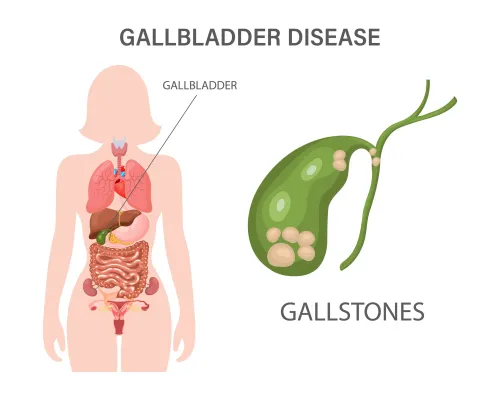
- Gallbladder stones and inflammation
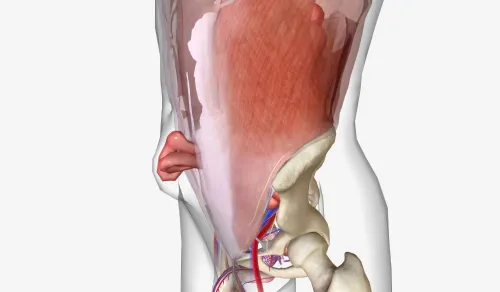
- Inguinal and umbilical hernias
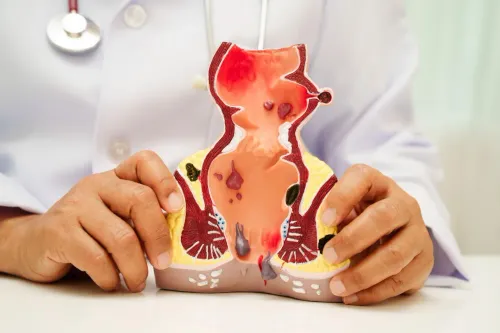
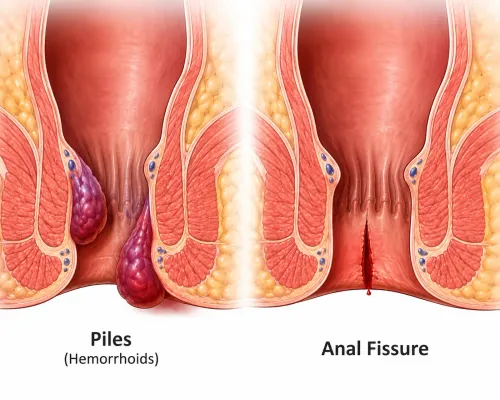
- Piles, anal fissures and fistulas
- Breast lumps
- Thyroid swelling
- Varicose veins
- Cysts and lipomas
- Diabetic foot wounds
- Skin and soft-tissue infections
- Non-healing ulcers
Consulting a surgeon does not necessarily mean that an operation will be advised. Some conditions can be managed with medication, wound care, diet changes or regular observation. Surgery is considered when it offers a safer or more lasting solution.
Symptoms That Need a Surgical Opinion
A surgical consultation may be appropriate if you experience:
- Persistent or recurring abdominal pain
- A lump in the groin, abdomen, breast or neck
- Upper abdominal pain after fatty meals
- Bleeding during bowel movements
- Pain or burning while passing stool
- Discharge from an opening near the anus
- A foot wound that is not healing
- Increasing redness or swelling around a wound
- Visible, twisted veins with pain or heaviness
- A cyst or lump that is growing
People searching for a general surgeon in Goregaon often have symptoms that overlap with digestive, urinary or skin conditions. A proper examination helps determine whether the problem is surgical or requires another medical specialty.
What Happens During a General Surgery Consultation?
The consultation begins with a detailed discussion about the symptoms. The surgeon may ask when the problem started, whether it has worsened and what triggers the discomfort.
A physical examination can help identify conditions such as a hernia, breast lump, thyroid swelling, piles, cyst or diabetic foot infection. Depending on the findings, investigations may include:
- Blood and urine tests
- Ultrasound examination
- CT or MRI scan
- Mammography
- Thyroid function tests
- Doppler ultrasound
- Anorectal examination
The results are used to create an individual treatment plan rather than recommending the same approach for every patient.
When Is Emergency Care Necessary?
Some symptoms require immediate evaluation at a hospital in Goregaon or elsewhere in Mumbai. These include sudden severe abdominal pain, repeated vomiting, uncontrolled bleeding, high fever, a painful hernia that no longer goes back inside or rapidly spreading redness around a wound.
Severe lower-right abdominal pain may indicate appendicitis. A hard and painful hernia can mean that tissue has become trapped. Delaying care in either situation may increase the risk of infection or tissue damage.
Preparing for Your Appointment in Goregaon
Carry previous reports, scans, prescriptions and a list of current medicines. Tell the surgeon about diabetes, blood pressure, heart disease, allergies and blood-thinning medicines.
Useful questions include:
- What is causing the symptoms?
- Are additional tests necessary?
- Can the condition be treated without surgery?
- What are the risks of delaying treatment?
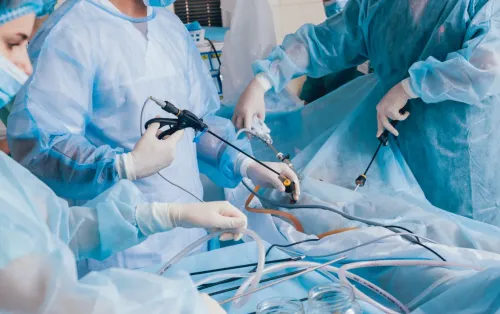
- Is open or laparoscopic surgery suitable?
- What recovery period should be expected?
A timely consultation with a general surgeon in Goregaon can provide clarity before a manageable condition becomes more complicated. Accurate diagnosis remains the first and most important step in surgical care.
Keywords