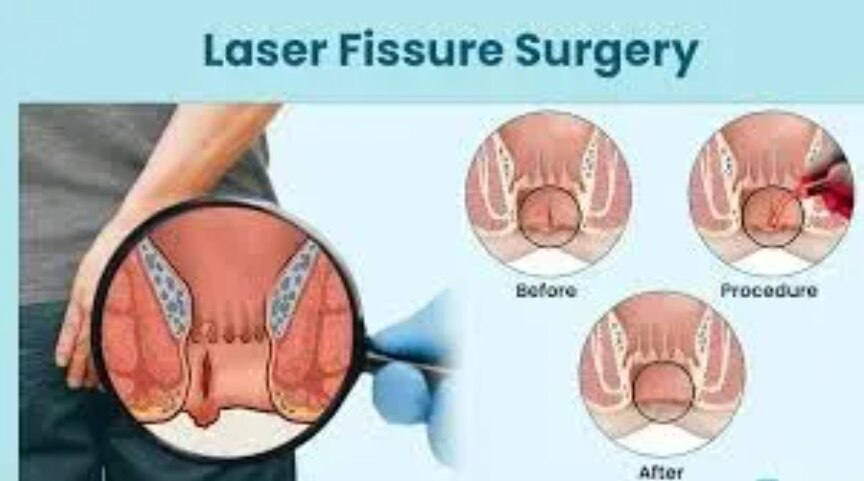
You need to know whether surgery is appropriate, what the word “laser” actually describes, and what you will experience before, during and after the operation. By the end, you will know which questions to ask about diagnosis, anaesthesia, sphincter treatment, recovery time and continence risk.
Key takeaways
- Surgery follows persistent pain or recurrence after conservative treatment fails.
- Confirm the diagnosis with a physical examination before choosing an operation.
- Ask how the laser technique differs from sphincterotomy and fissurectomy.
- Plan for softer stools, gentle cleaning and reduced strain during recovery.
When Surgery Is Recommended and How the Diagnosis Is Confirmed
Surgery is considered when an anal fissure remains painful or repeatedly reopens despite fibre, stool-softening treatment and topical medicines. Recurrent fissures, a sentinel pile, or exposed internal sphincter muscle also support an operation, but “laser” does not automatically make treatment safer.
Ask exactly whether the plan is laser fissurectomy, laser sphincterotomy, or treatment of associated tissue.
| Finding | Why surgery may be considered | What must happen first |
|---|---|---|
| Persistent fissure despite medicines | Symptoms have not settled with non-surgical care | Confirm the diagnosis and assess continence |
| Recurrent fissures | Repeated tearing suggests an ongoing mechanical problem | Review constipation, diarrhoea and previous surgery |
| Sentinel pile or exposed sphincter | These support a chronic fissure | Discuss which tissue will be cut and the continence risk |
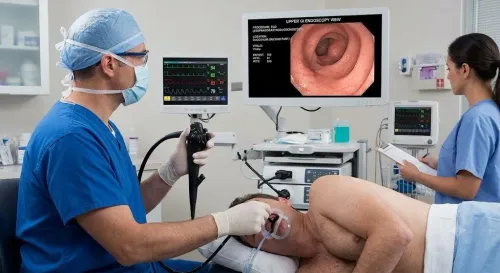
Diagnosis starts with your history and inspection of the anus. A gentle digital examination or anoscopy may follow if pain allows; examination under anaesthesia can provide a clearer assessment when it does not. This process distinguishes a fissure from haemorrhoids, fistula, abscess and infection.
A lateral or multiple fissure, an indurated ulcer, unusual bleeding or failure to heal is a warning sign. The surgeon may arrange biopsy, colonoscopy or other tests to exclude inflammatory bowel disease or cancer rather than proceeding directly to laser treatment.
Before consenting, ask what happens during laser fissure surgery, how much sphincter will be divided, and the surgeon’s own recurrence and continence rates.
What Fissure Surgery Preparation Involves
Your fissure surgery preparation starts with confirming exactly what “laser surgery” means: laser fissurectomy, laser sphincterotomy, or treatment of a sentinel pile or anal papilla. Each procedure affects discomfort, continence risk and recovery differently.
1. Give the surgical team your complete medicine list, allergies and medical history. Highlight warfarin, apixaban, rivaroxaban, aspirin, clopidogrel, diabetes medicines and supplements such as fish oil. Do not stop an anticoagulant or antiplatelet drug until the prescribing clinician gives you a plan.
2. Follow the anaesthesia fasting times exactly. The unit will tell you when to stop solid food, milk and clear liquids; eating or drinking too late can delay or cancel anaesthesia. Take only approved medicines with the stated amount of water.
3. Do not assume you need a full bowel preparation. Some anal operations need only an enema or no preparation, while others have specific instructions. Use the operating unit’s written plan, and report vomiting, diarrhoea or a failure to complete the preparation.
4. Arrange an adult to take you home and remain available after discharge if requested. You cannot drive after anaesthesia, and public transport alone is unsafe immediately afterward.
Arrange time away from work before admission. Desk work may be easier than lifting, driving or prolonged sitting, but the surgeon should match your return date to the procedure, pain and bowel symptoms. Keep your consent and medication instructions accessible.
The Laser Fissure Operation Process, Step by Step
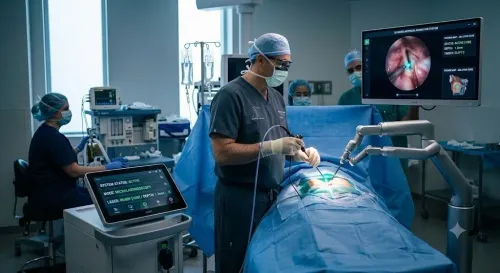
The laser fissure operation process is usually a short day-case procedure. At admission, the team checks your identity, allergies, medicines, medical history and consent, then confirms whether the laser will remove the fissure, divide part of the internal sphincter, or treat a sentinel pile or hypertrophied anal papilla.
1. You change into a gown and receive an intravenous line. The team positions you face-down in a jackknife position or on your back with your legs supported, depending on the surgeon’s preference and the planned procedure.
2. Anaesthesia may be local with sedation, spinal or general anaesthesia. You should be fully comfortable before the surgeon begins.
3. The surgeon gently examines the anal canal and places a small instrument to maintain access. A laser removes scarred fissure tissue, or divides a measured portion of the internal sphincter when sphincterotomy is planned.
4. The laser does not remove the need for bleeding control. The surgeon seals small vessels, checks the treatment area and confirms that only the intended amount of muscle was divided.
5. The wound may be left open to drain and heal naturally, covered with a small dressing, or treated with ointment. Stitches are not always necessary.
6. In recovery, staff monitor your alertness, pain, bleeding, urination and ability to drink. You go home when stable, with written instructions, prescribed medicines and a responsible adult to accompany you if sedation or general anaesthesia was used.
Pain, Bowel Movements and Healing After the Operation
Pain often eases as sphincter spasm settles, but the incision can hurt during bowel movements for several days. Take prescribed pain relief, drink enough fluid, keep the area clean, and use warm sitz baths. Follow the recommended stool-softener or fibre-and-fluid plan; hard stools, straining and repeated diarrhoea can all delay healing.
Laser fissure surgery recovery usually takes days to a few weeks, not months. Many people return to light activity within several days, while complete wound healing and comfortable bowel movements can take several weeks.
Resume driving, heavy lifting and strenuous exercise only when pain is controlled, you are fully alert after anaesthesia or opioid medicine, and your surgical team approves it.
| Expected during healing | Seek urgent medical review |
|---|---|
| Small blood streaks or light wound discharge | Heavy or persistent bleeding |
| Temporary urgency or difficulty controlling gas | New loss of bowel control |
| Soreness that gradually improves | Increasing pain, spreading redness or swelling |
| Mild discomfort with bowel movements | Fever or pus |
| Inability to pass urine or repeated vomiting |
Do not dismiss worsening symptoms as part of normal laser fissure surgery recovery. Contact the operating unit promptly if they appear, particularly because infection, urinary retention or significant bleeding needs assessment. Long-term prevention still depends on fibre, adequate fluids, responding to the urge to pass stool, and treating constipation or diarrhoea.
How Laser Treatment Compares with Other Fissure Procedures
Medicines are usually the least invasive starting point, but they require consistent stool-softening, fibre and topical treatment over several weeks. Botox relaxes the internal sphincter temporarily and avoids cutting muscle, making it useful when continence risk matters, although symptoms can recur and repeat treatment may be needed.
| Option | What it means | Main trade-off |
|---|---|---|
| Medicines | Topical relaxants, fibre and stool-softening treatment | No operation, but slower healing and lower success in persistent chronic fissures |
| Botox | Temporary internal sphincter relaxation | Continence-preserving, but recurrence and repeat injections are possible |
| Fissurectomy | Removal of the fissure’s scarred edges or associated skin tags | Cleans the wound but does not relax a spastic sphincter by itself |
| Laser treatment | Laser fissurectomy or laser sphincterotomy, depending on the plan | “Laser” does not define the operation; risks depend on the tissue removed or muscle divided |
| Lateral internal sphincterotomy | Controlled division of part of the internal sphincter | Established treatment for chronic fissures, but excessive division can affect continence |
Ask what happens during laser fissure surgery in your case: which tissue will be cut, whether any sphincter will be divided, what anaesthesia is planned, and how the wound will be managed. Laser does not guarantee bloodless surgery, painless recovery or zero continence risk.
If you are choosing a laser fissure surgeon in Mumbai, verify registration, colorectal or proctological training, experience with continence-preserving techniques, emergency arrangements, and the surgeon’s own recurrence and continence rates. Dr Vipul Nandu should be able to explain these choices in relation to your examination findings, not simply recommend “laser” as a label.
Related service
laser Fissure surgery Fissure surgery is a medical procedure performed to treat anal fissures, which are small tears in the lining of the anus that can cause pain,... View service → |
Frequently asked questions
When is laser fissure surgery recommended?
Surgery is considered when an anal fissure remains painful or repeatedly reopens despite fibre, stool-softening treatment and topical medicines. Recurrent fissures, a sentinel pile or exposed internal sphincter muscle can support an operation.
How is an anal fissure diagnosis confirmed before surgery?
A surgeon usually confirms the diagnosis through a history and examination of the anal canal. Severe pain can limit examination, so the surgeon may explain whether an examination under anaesthesia is needed.
What does fissure surgery preparation involve?
Preparation includes reviewing your medical history and medicines, discussing the anaesthetic, following the fasting instructions, and arranging transport and help after the procedure. Ask whether you need a bowel preparation and what to do with blood-thinning medicines.
What happens during the laser fissure operation process?
After anaesthesia, the surgeon examines the fissure and treats the abnormal scarred tissue using the selected technique. Ask exactly what the laser will do, whether a fissurectomy is planned, and whether the internal sphincter will be divided.
What is laser fissure surgery recovery like?
Recovery focuses on controlling pain, keeping stools soft, avoiding straining and cleaning the area gently. Follow the prescribed medicines and contact your surgeon for heavy bleeding, fever, worsening pain or difficulty passing urine.
Keywords