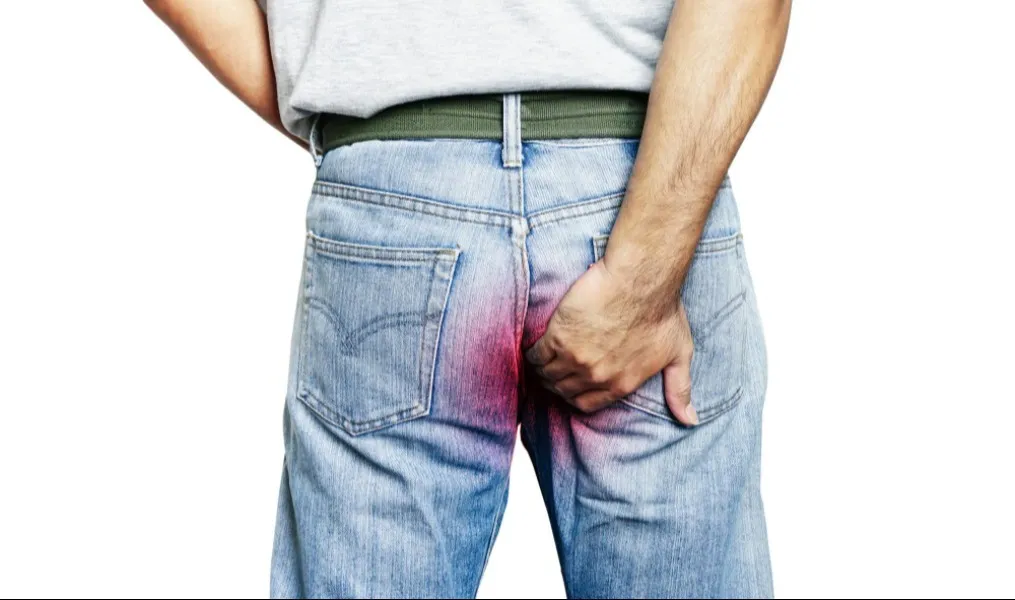
Bright-red bleeding after passing stool is often associated with piles, but bleeding should never be assumed to be harmless without an examination. Anal fissures, infections, polyps and other bowel conditions can produce similar symptoms.
Dr. Vipul Nandu provides evaluation for piles treatment in Goregaon, helping patients understand the grade of haemorrhoids and whether lifestyle measures, an office-based procedure or surgery may be appropriate.
Understanding the Different Grades of Piles
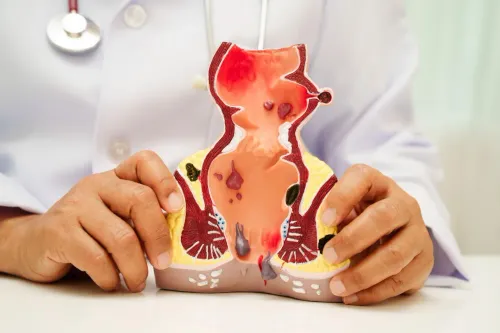
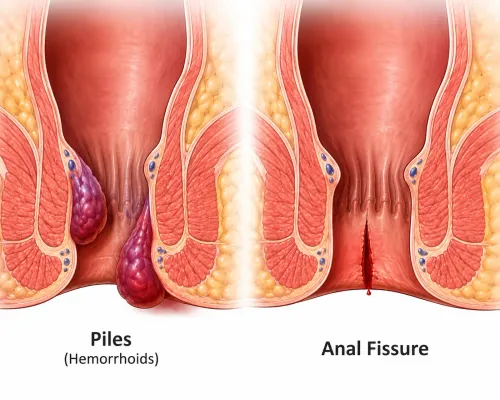
Piles, also called haemorrhoids, are swollen blood vessels inside or around the anus. Internal piles are commonly classified according to how much they protrude:
- Grade I: Remain inside the anal canal and may bleed
- Grade II: Protrude during bowel movements but return inside on their own
- Grade III: Protrude and need to be pushed back manually
- Grade IV: Remain outside and cannot be pushed back
Symptoms and clinical findings—not the grade alone—guide treatment.
When Home Care May Be Enough
Early piles may improve when constipation and repeated straining are controlled. Helpful measures include:
- Eating more fibre through vegetables, fruits and whole grains
- Drinking sufficient water
- Avoiding prolonged sitting on the toilet
- Responding promptly to the urge to pass stool
- Staying physically active
- Using prescribed stool softeners when necessary
- Keeping the anal area clean and dry
Creams or suppositories may provide short-term relief from itching and discomfort. They do not permanently treat large or prolapsing piles.
When a Medical Procedure May Be Considered
A procedure may be discussed when bleeding continues, piles repeatedly protrude or conservative measures provide inadequate relief.
Rubber band ligation is one option for selected internal haemorrhoids. A small band is placed around the pile to restrict its blood supply, causing it to shrink. Other methods may be used depending on the size, position and severity of the condition.
Patients comparing piles treatment options in Goregaon should ask whether the recommended procedure is suitable for their haemorrhoid grade and symptoms.
When Is Piles Surgery Necessary?
Surgical treatment may be considered for:
- Large or permanently prolapsed piles
- Frequent or substantial bleeding
- Recurrent symptoms despite treatment
- Painful combined internal and external piles
- Symptoms affecting work and daily activities
- Complications such as thrombosis in selected cases
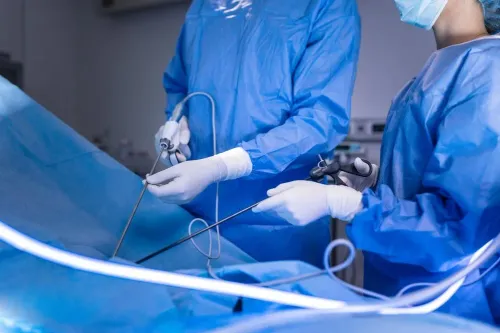
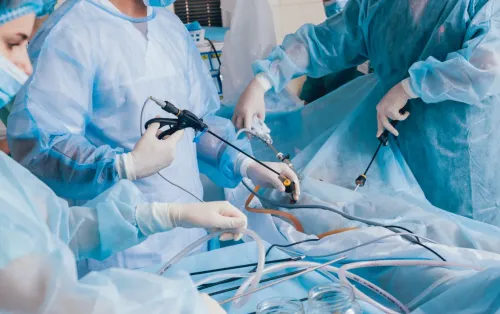
A haemorrhoidectomy removes the enlarged haemorrhoidal tissue. Other surgical or minimally invasive techniques may also be considered. Each approach has different benefits, limitations, discomfort levels and recurrence considerations.
Piles, Fissure or Fistula?
These conditions are commonly confused:
- Piles often cause bright-red bleeding, itching or protruding lumps.
- Anal fissure usually causes sharp pain during and after passing stool.
- Anal fistula commonly causes recurrent swelling or pus-like discharge near the anus.
Self-treatment based only on symptoms can delay the correct diagnosis. A physical and anorectal examination helps distinguish among them.
When Does Rectal Bleeding Need Prompt Attention?
Seek medical care if bleeding is heavy, recurrent or accompanied by weakness, black stools, unexplained weight loss, abdominal pain or a change in bowel habits. Adults with new rectal bleeding should be assessed even when they suspect piles.
For people living or working in Goregaon, early examination can reduce anxiety and prevent months of ineffective home treatment. To understand the appropriate stage-based approach, schedule an assessment with Dr. Vipul Nandu for piles treatment in Goregaon.
Keywords