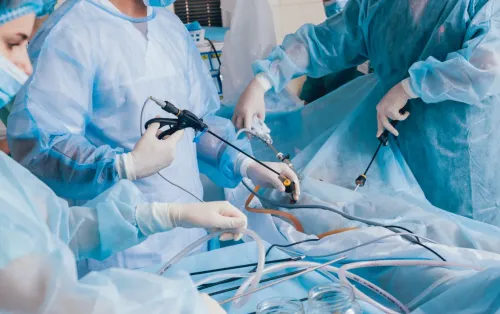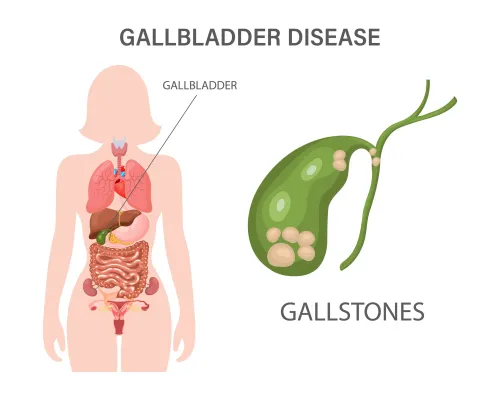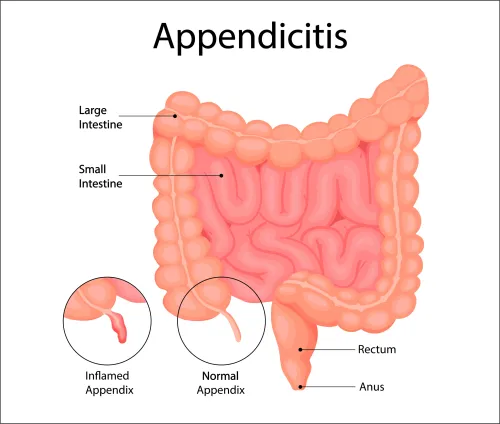
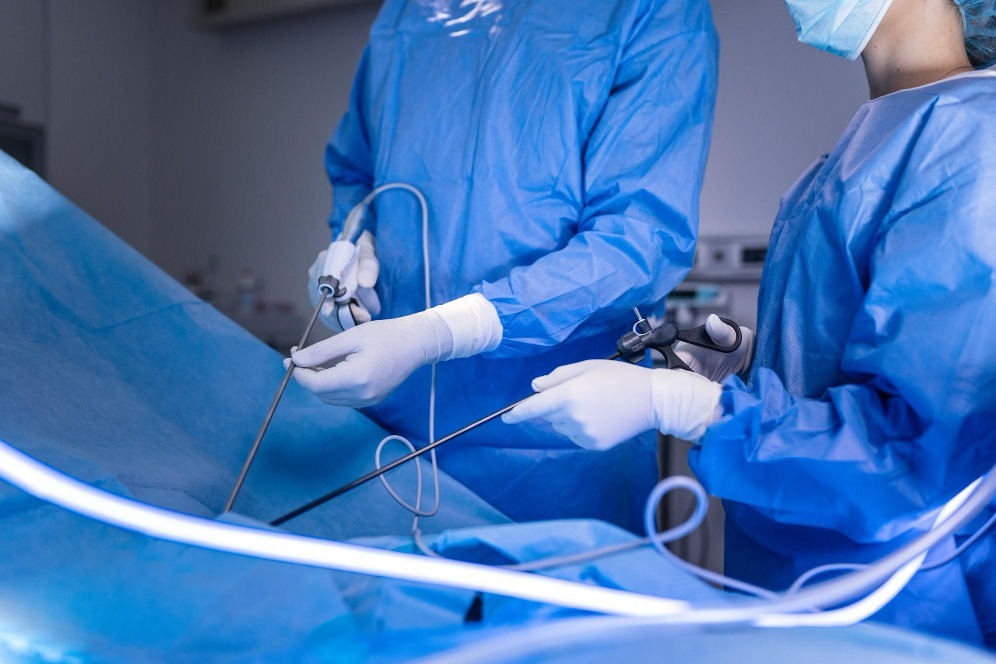
The term minimally invasive surgery describes operations performed through smaller access points rather than a conventional large incision. Laparoscopic procedures are among the most familiar examples, although minimally invasive techniques vary depending on the condition and procedure.
For patients considering Minimally Invasive Surgery in Goregaon, it is useful to understand both its potential benefits and its limitations before assuming that a smaller incision is always the better option.
Potential advantages of minimally invasive techniques
When an operation and patient are suitable, potential benefits can include:
- Smaller surgical incisions
- Less visible scarring
- Reduced postoperative discomfort in some procedures
- Shorter hospital stay for certain operations
- Earlier mobilisation
- Faster return to routine activity in selected cases
The degree of benefit differs from one procedure and patient to another.
What determines whether someone is suitable?
Several factors influence the decision. These include the exact diagnosis, severity of disease, previous abdominal operations, age, general health and whether complications such as significant infection or inflammation are present.
For example, two patients with the same broad diagnosis may require different surgical approaches because their anatomy, disease severity or previous treatment history differs.
The surgeon may also need to consider medical conditions affecting anaesthesia and recovery.
Smaller incisions do not mean minor surgery
One common misunderstanding is that minimally invasive surgery is automatically a minor procedure. The operation being performed internally may still be significant even though the external incisions are small.
Patients therefore still need appropriate preoperative assessment, anaesthesia planning and postoperative care.
Before an operation, it is useful to understand:
- What exactly will be treated?
- Why is a minimally invasive approach suitable?
- What alternatives are available?
- Is conversion to open surgery sometimes necessary?
- How long may recovery take?
- What activities should be avoided afterward?
Dr Vipul Nandu evaluates patients requiring general surgical procedures in Goregaon, Maharashtra, and considers minimally invasive approaches when they are clinically appropriate.
Making the decision based on the condition
Surgical technology continues to improve, but a technique is valuable only when it matches the patient's needs. A procedure should not be selected simply because it is newer or involves smaller incisions.
For people comparing surgical options in Goregaon and across Mumbai, the most useful discussion is one based on diagnosis, expected benefits, potential risks and recovery requirements.
Minimally invasive surgery can provide meaningful advantages for suitable patients, but individualized surgical planning remains essential. Understanding why a particular technique has been recommended makes it easier to approach treatment with realistic expectations about the operation and recovery.
Keywords