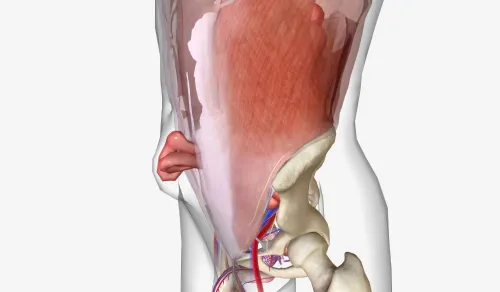
A hernia occurs when tissue or part of an internal organ pushes through a weak area in the surrounding muscle wall. It commonly appears as a bulge in the groin, around the navel or near an old surgical scar.
Dr. Vipul Nandu evaluates adults seeking hernia treatment in Goregaon for painful, enlarging or recurring abdominal and groin swellings. Early examination is useful because not every lump is a hernia, and different hernia types require different treatment decisions.
How Can You Recognise a Hernia?
A hernia may initially appear only while standing, coughing or lifting something heavy. The swelling can become smaller when the person lies down.
Common signs include:
- A visible groin or abdominal bulge
- Aching or burning discomfort
- Pain while coughing, bending or lifting
- Heaviness in the groin
- Swelling around the navel
- A lump near a previous operation scar
- Discomfort after walking or standing for long periods
Some hernias remain painless for months. Others gradually enlarge and start interfering with exercise, travel, work or routine household activities.
Common Types of Hernias
An inguinal hernia develops in the groin and is more frequently seen in men. An umbilical hernia appears around the navel, while an incisional hernia forms through a weak area left by an earlier operation.
Femoral hernias occur near the upper thigh or groin crease and may carry a greater risk of complications. A hiatus hernia is different because it develops internally when part of the stomach moves through the diaphragm.
Correctly identifying the type is an important part of planning hernia treatment in Goregaon.
Can Medicines or Exercise Cure a Hernia?
Medicines may relieve discomfort, but they cannot close the muscular defect causing an abdominal-wall hernia. Exercise can support general fitness, yet strenuous or incorrect exercises may increase pressure within the abdomen.
A hernia belt may provide temporary support in selected circumstances. It does not permanently repair the weakness and should not be used as a substitute for medical evaluation.
When Can a Hernia Be Monitored?
A small hernia causing few or no symptoms may sometimes be monitored after examination. The decision depends on:
- The location and size of the hernia
- The severity of symptoms
- Whether the swelling is reducible
- Age and general health
- Occupation and activity level
- Risk of obstruction or strangulation
Patients in Goregaon who choose observation should attend follow-up appointments and report changes in pain, size or reducibility.
When Does a Hernia Become an Emergency?
Tissue or bowel can occasionally become trapped inside a hernia. If its blood supply is cut off, the condition is called strangulation and requires emergency surgery.
Seek immediate hospital care in Mumbai if the swelling:
- Becomes suddenly painful
- Turns hard or very tender
- Cannot be pushed back
- Develops redness or dark discolouration
- Occurs with vomiting or fever
- Is accompanied by abdominal swelling
- Appears with inability to pass stool or gas
Forcefully pressing a painful hernia at home can be dangerous.
Open and Laparoscopic Hernia Repair
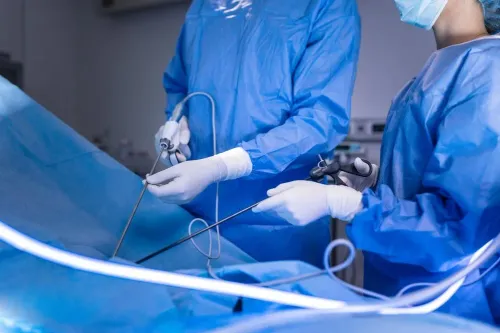
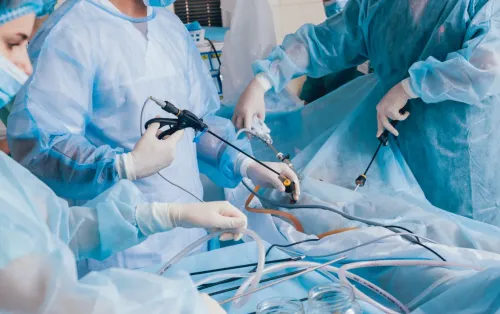
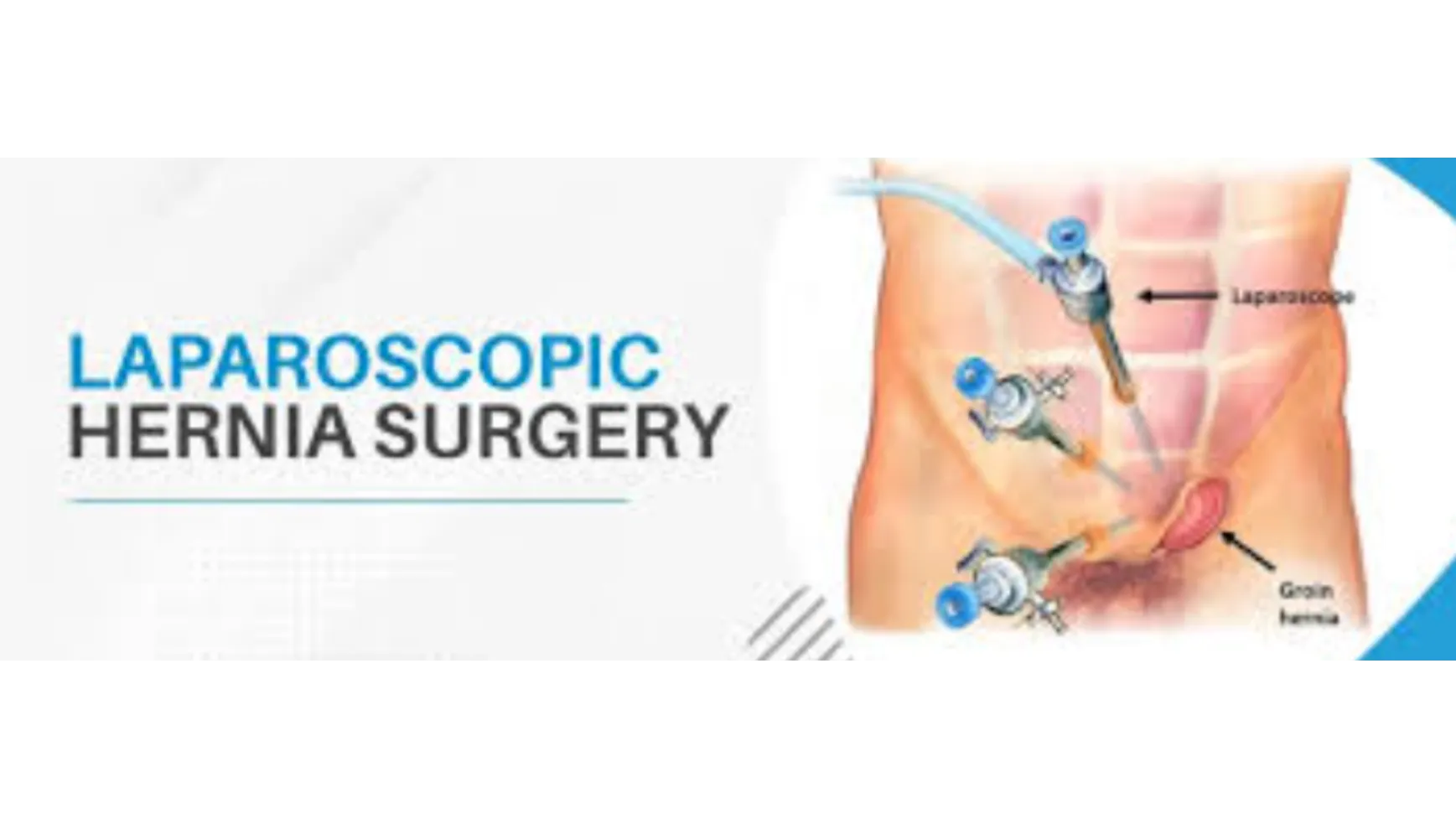
Hernia surgery returns the protruding tissue to its proper position and reinforces the weak area. Repair may be performed through an open incision or using laparoscopic keyhole surgery. Mesh is commonly used in adult hernia repair to strengthen the muscle wall.
The suitable method depends on the hernia’s location, size, recurrence, previous operations and the patient’s health. Timely assessment for hernia treatment in Goregaon allows patients to consider planned repair before increasing pain or complications turn the condition into an emergency.
Keywords