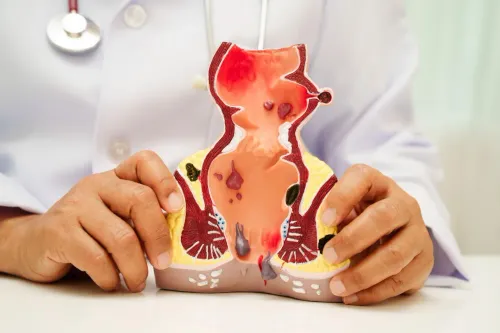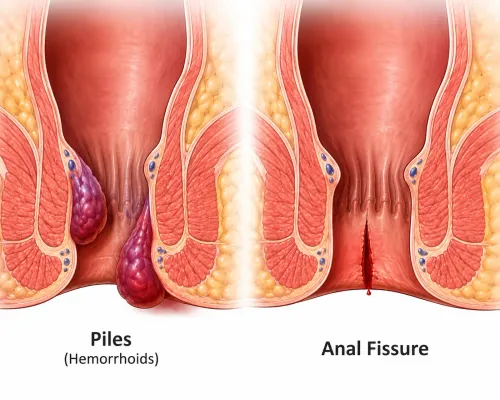
An anal fistula is an abnormal tunnel connecting the anal canal to the skin near the anus. It commonly develops after an anal abscess drains naturally or is surgically treated. The external opening may temporarily close, but the internal tunnel can remain and cause repeated infection or discharge.
Dr. Vipul Nandu assesses patients considering fistula surgery in Goregaon, including those experiencing recurrent swelling, pain or pus-like discharge near the anus. Understanding the fistula’s route is important because treatment must heal the tract while protecting the muscles responsible for bowel control.
What Are the Common Symptoms of an Anal Fistula?
Possible signs include:
- Recurrent painful swelling near the anus
- Pus or blood-stained discharge
- Unpleasant smell
- Skin irritation and itching
- A small visible opening near the anus
- Throbbing pain that worsens while sitting
- Fever when an abscess is present
Discharge may relieve pressure temporarily, but it does not mean that the fistula has healed.
Can an Anal Fistula Heal With Medicines?
Antibiotics may help control infection in certain circumstances, but they usually do not eliminate the fistula tract. Recurring discharge after a course of medicine often indicates that the underlying tunnel remains.
Most established anal fistulas require a surgical procedure. The chosen method depends on the tract’s position and relationship with the anal sphincter muscles.
How Is the Fistula Diagnosed?
The surgeon examines the skin around the anus and may perform a gentle rectal examination. In straightforward cases, the external opening and tract may be identifiable clinically.
An MRI or other imaging study may be advised for:
- Recurrent fistulas
- Multiple external openings
- Deep or branching tracts
- Previous fistula surgery
- Suspected involvement of significant sphincter muscle
- Associated inflammatory bowel disease
Detailed mapping helps reduce the risk of leaving an untreated branch.
Which Fistula Surgery Is Suitable?
There is no single procedure appropriate for every fistula. Options may include:
- Fistulotomy: The tract is opened so it can heal from the base.
- Seton placement: A surgical thread is placed through the tract, often when sphincter muscle is involved.
- Advancement flap: The internal opening is covered while preserving the sphincter.
- LIFT procedure: The tract is treated between layers of the sphincter muscle.
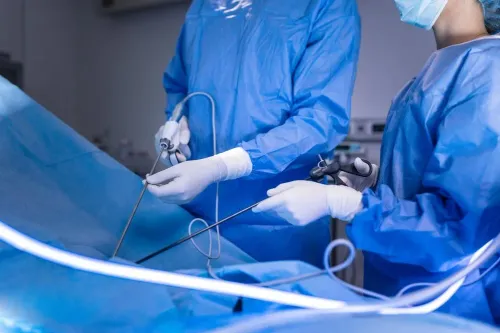
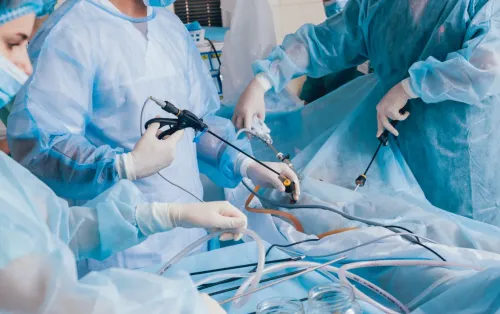
- Video-assisted or other sphincter-preserving techniques: These may be considered in selected cases.
When comparing options for fistula surgery in Goregaon, patients should ask how much sphincter muscle is involved and why a particular procedure is recommended.
Will the Fistula Return After Surgery?
Recurrence is possible, particularly with complex, branching or previously treated fistulas. Infection, an unidentified secondary tract and certain underlying diseases may increase the likelihood.
Following wound-care instructions and attending scheduled reviews allow healing problems to be identified early.
What Is Recovery Usually Like?
Some discomfort and light bleeding can occur after surgery, especially during the first bowel movements. Recovery instructions may include:
- Keeping the area clean
- Taking prescribed pain relief
- Using stool softeners when advised
- Drinking adequate water
- Avoiding constipation and straining
- Changing dressings as instructed
- Returning for wound assessment
Contact the surgical team if there is high fever, increasing pain, heavy bleeding, worsening swelling or foul discharge.
For recurring perianal discharge or swelling, delaying evaluation may allow another abscess to develop. Consult Dr. Vipul Nandu to discuss diagnosis, imaging requirements and suitable fistula surgery options in Goregaon.
Keywords