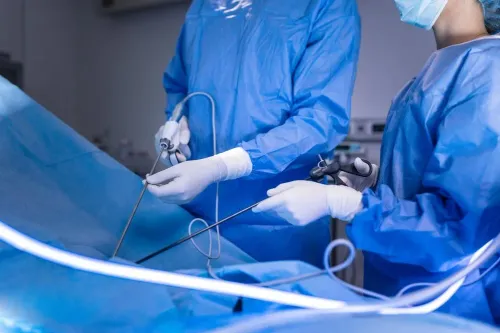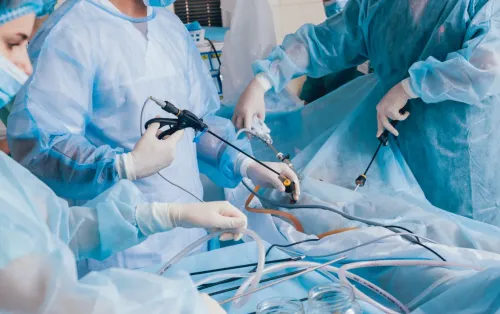
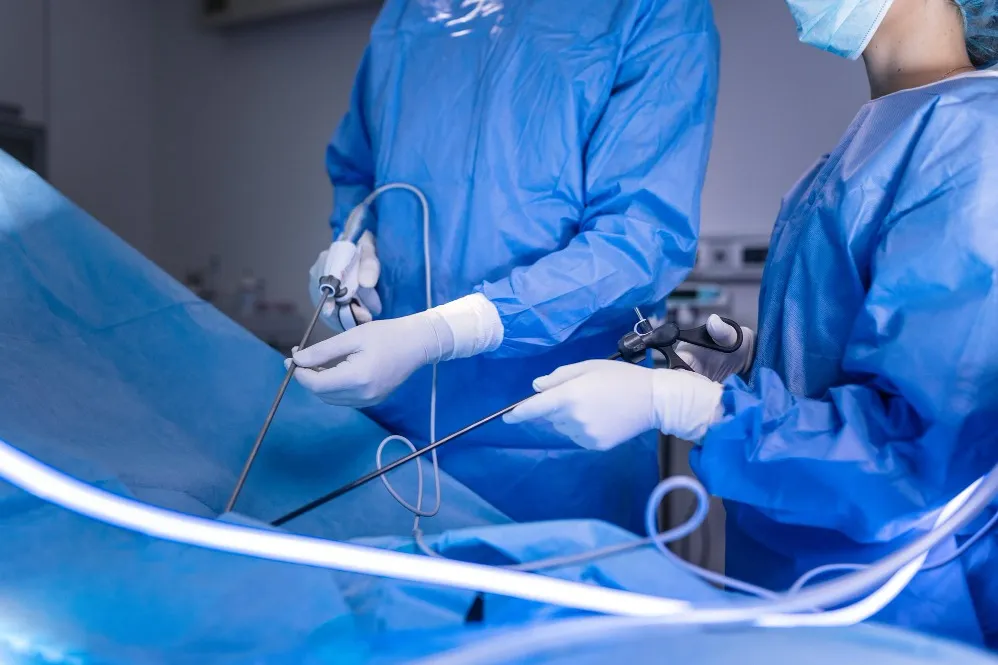
Laparoscopic surgery, commonly known as keyhole surgery, is a minimally invasive method used to diagnose and treat several abdominal conditions. Instead of making one large incision, the surgeon performs the procedure through a few small openings using a camera and specialised instruments.
Patients considering laparoscopic surgery in Goregaon can consult Dr. Vipul Nandu to understand whether the technique is appropriate for their condition. The choice between laparoscopic and open surgery depends on the diagnosis, previous operations, overall health and complexity of the case.
How Is Laparoscopic Surgery Performed?
Most laparoscopic operations are conducted under general anaesthesia. After the patient is asleep, a small incision is usually made near the navel. Carbon dioxide gas is introduced to create working space inside the abdomen.
A thin instrument called a laparoscope is inserted through the incision. Its camera sends magnified images to a monitor, allowing the surgeon to examine internal organs. Additional small openings are made for the instruments needed to complete the operation.
At the end of the procedure, the instruments and gas are removed. The incisions are closed with stitches, surgical glue or dressings.
Conditions Treated Through Laparoscopic Surgery
General surgeons may use laparoscopy for:
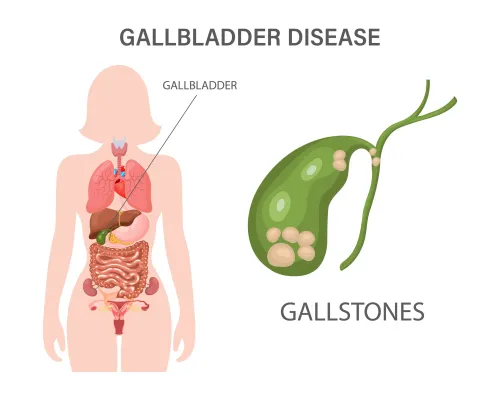
- Gallbladder stone surgery
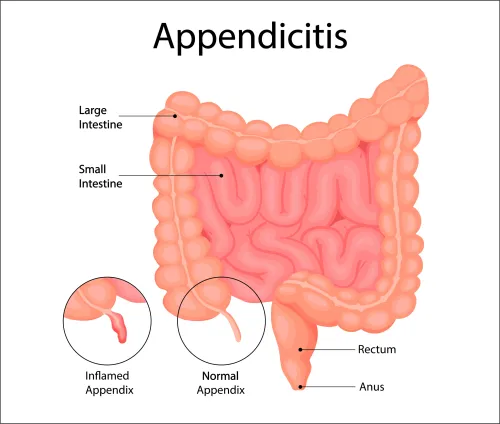
- Appendicitis surgery
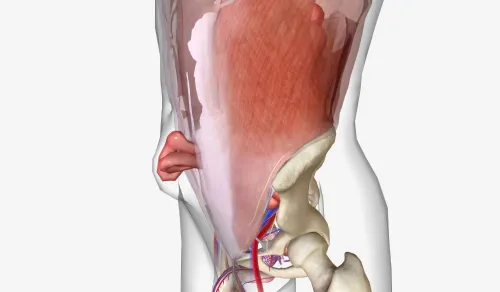
- Inguinal hernia repair
- Umbilical hernia repair
- Selected abdominal-wall hernias
- Diagnostic evaluation of unexplained abdominal symptoms
- Certain gastrointestinal procedures
Not every patient with these conditions will require the same technique. Severe infection, extensive internal scarring or complicated anatomy may make open surgery a safer option.
Potential Benefits of Keyhole Surgery
When suitable, laparoscopic surgery may offer:
- Smaller surgical incisions
- Less visible scarring
- Reduced postoperative discomfort
- Earlier movement after surgery
- A potentially shorter hospital stay
- Faster return to routine activities
- Lower disruption to work and family responsibilities
These benefits are particularly relevant for working patients in Goregaon and western Mumbai. However, recovery still depends on the type of operation performed. Gallbladder removal, hernia repair and diagnostic laparoscopy do not have identical recovery timelines.
When Might Open Surgery Be Necessary?
Open surgery remains an established and important treatment method. It may be preferred when:
- Infection has spread inside the abdomen
- The organ has ruptured or perforated
- A hernia is very large or complicated
- Previous surgery has caused extensive adhesions
- The surgeon cannot safely view the operative area
- Unexpected findings require wider access
Occasionally, a procedure started laparoscopically must be converted to open surgery. This is a safety decision made to complete the treatment effectively.
Recovery After Laparoscopic Surgery in Goregaon
Temporary soreness, tiredness and abdominal bloating are common after surgery. Some patients experience shoulder discomfort because of the gas used during the procedure. It usually settles as the body absorbs the remaining gas.
Recovery instructions may include:
- Take prescribed medicines as directed.
- Walk gently when permitted.
- Keep the wounds clean and dry.
- Drink adequate fluids.
- Follow the recommended diet.
- Avoid heavy lifting until medically cleared.
- Attend the scheduled follow-up visit.
People returning to office work in Goregaon may resume their duties earlier than those whose jobs involve lifting, driving or prolonged physical activity. The surgeon should confirm the appropriate timeline.
Warning Signs After Surgery
Contact the treating team promptly if there is increasing abdominal pain, persistent vomiting, fever, breathing difficulty, spreading redness, heavy bleeding or discharge from an incision.
Laparoscopic surgery can make treatment less disruptive for suitable patients, but small incisions do not mean minor surgery. Careful evaluation, appropriate surgical planning and responsible postoperative care are all essential for a safe recovery.
Keywords