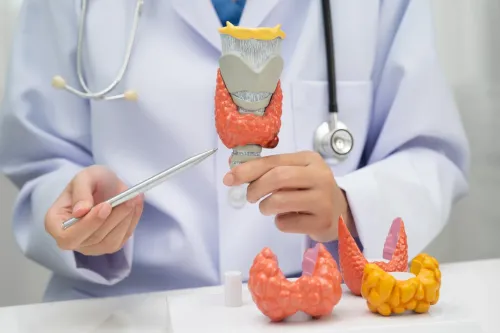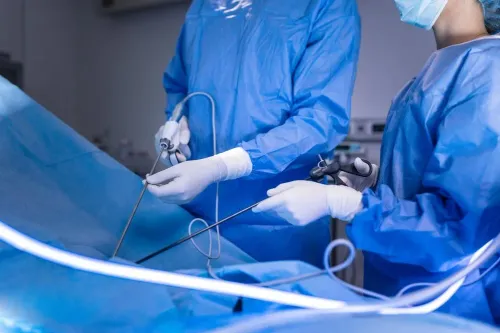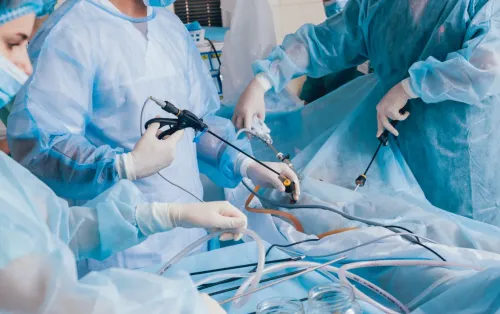
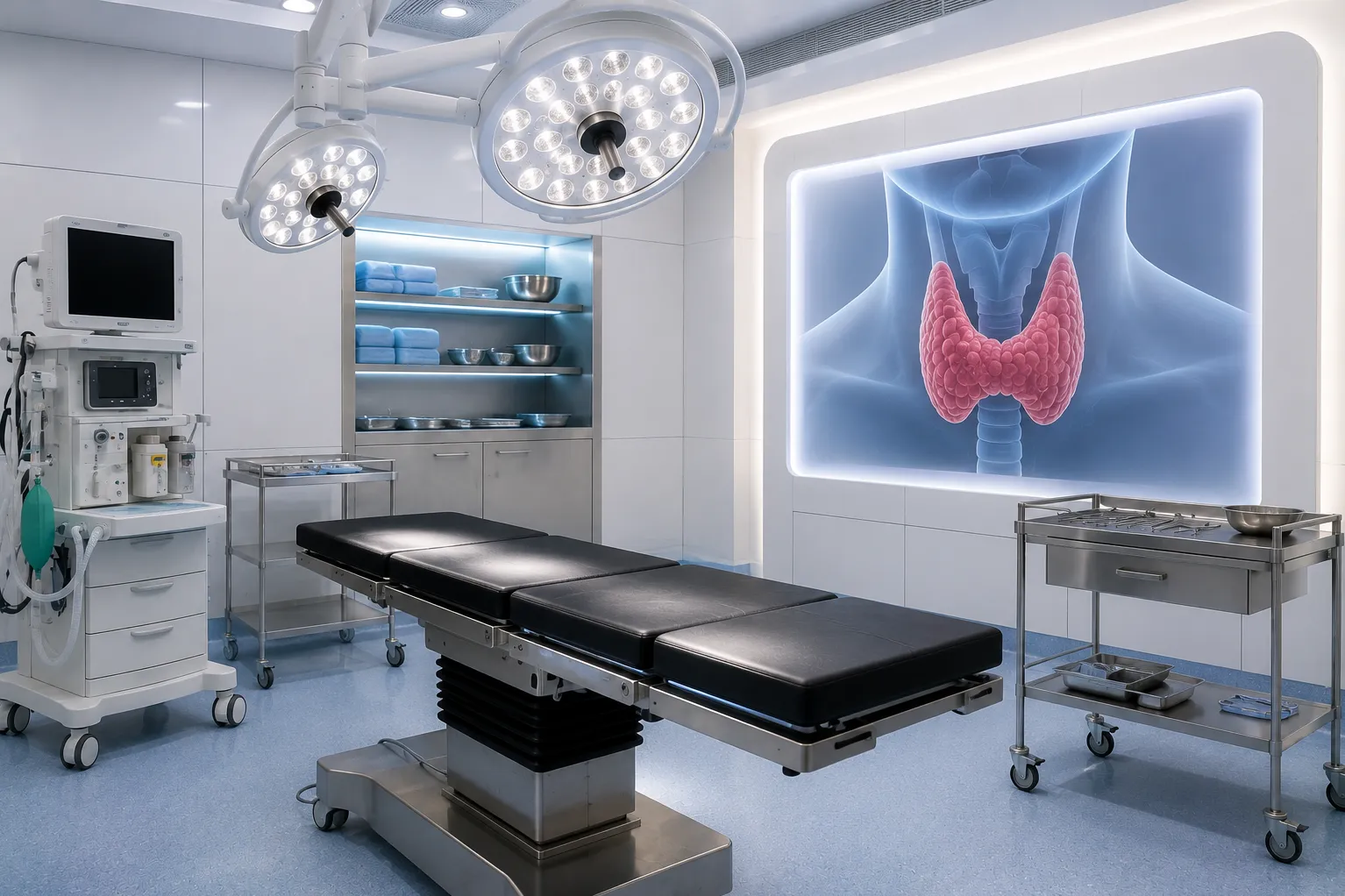
Thyroid surgery may be recommended for a suspicious nodule, confirmed cancer, an enlarged gland causing pressure symptoms or an overactive thyroid that has not responded to other treatment. The decision requires careful review because not every thyroid swelling needs an operation.
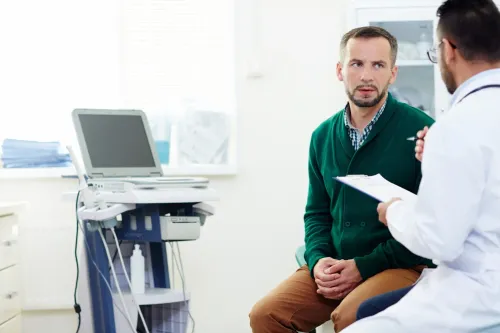
Dr. Vipul Nandu consults patients considering thyroid surgery in Goregaon and reviews the diagnosis, investigation reports and extent of surgery required. A well-prepared patient should understand why surgery is being proposed and what follow-up will be needed afterward.
Why Might Thyroid Surgery Be Recommended?
Common reasons include:
- A thyroid nodule with suspicious test findings
- Confirmed or suspected thyroid cancer
- A large goitre causing swallowing or breathing difficulty
- Progressive enlargement of the thyroid gland
- Pressure or discomfort in the neck
- Overactive thyroid that is unsuitable for other treatments
- A recurrent thyroid cyst or nodule
- Cosmetic concerns associated with a substantial swelling
The recommendation should be supported by examination, thyroid blood tests and imaging. Fine-needle aspiration may be needed for selected nodules.
Partial or Total Thyroid Removal?
A thyroid lobectomy removes one side of the thyroid gland. It may be appropriate when a concerning nodule is limited to one lobe or when the diagnosis can be managed with partial removal.
A total thyroidectomy removes the entire gland. It may be advised for certain cancers, large multinodular goitres or specific cases of hyperthyroidism.
Patients preparing for thyroid surgery in Goregaon should ask why one approach is more suitable than the other. After total removal, lifelong thyroid hormone replacement is generally needed. Some patients also require medication after partial removal if the remaining gland does not produce enough hormone.
Essential Questions for the Surgeon
Before consenting to surgery, discuss:
- Why is surgery necessary in my case?
- Is observation or another treatment reasonable?
- Will part or all of the thyroid be removed?
- How will the recurrent laryngeal nerves be protected?
- Could calcium levels fall after surgery?
- Will the tissue be sent for laboratory analysis?
- How long might hospitalisation and recovery take?
- What follow-up tests will be required?
Clear answers help patients evaluate both the immediate procedure and long-term care.
Understanding the Important Risks
All operations carry risks such as bleeding, infection and reactions to anaesthesia. Thyroid surgery also involves structures responsible for voice and calcium control.
Possible concerns include:
- Temporary or persistent voice changes
- Low calcium after total thyroid removal
- Bleeding or neck swelling
- Wound infection
- A visible neck scar
- Need for thyroid hormone replacement
The individual level of risk depends on the diagnosis, extent of surgery, previous neck operations and other health conditions.
Preparing for Thyroid Surgery in Goregaon
Bring thyroid function reports, ultrasound findings, cytology or biopsy reports and a complete medicine list. Inform the surgical team about blood thinners, supplements, allergies and previous anaesthesia problems.
Patients from Goregaon and other parts of Mumbai may also need pre-anaesthesia testing. Existing conditions such as diabetes, high blood pressure or heart disease should be controlled before an elective operation.
Signs That Need Urgent Review After Surgery
Rapid neck swelling, breathing difficulty, increasing tightness, severe weakness or tingling around the mouth and fingers requires urgent assessment. Fever, wound discharge and worsening redness also need review.
Good provider selection involves more than availability. Look for a consultation that explains the indication, extent, risks and follow-up plan in understandable language. To review your thyroid reports and surgical readiness, consult Dr. Vipul Nandu in Goregaon.
Keywords