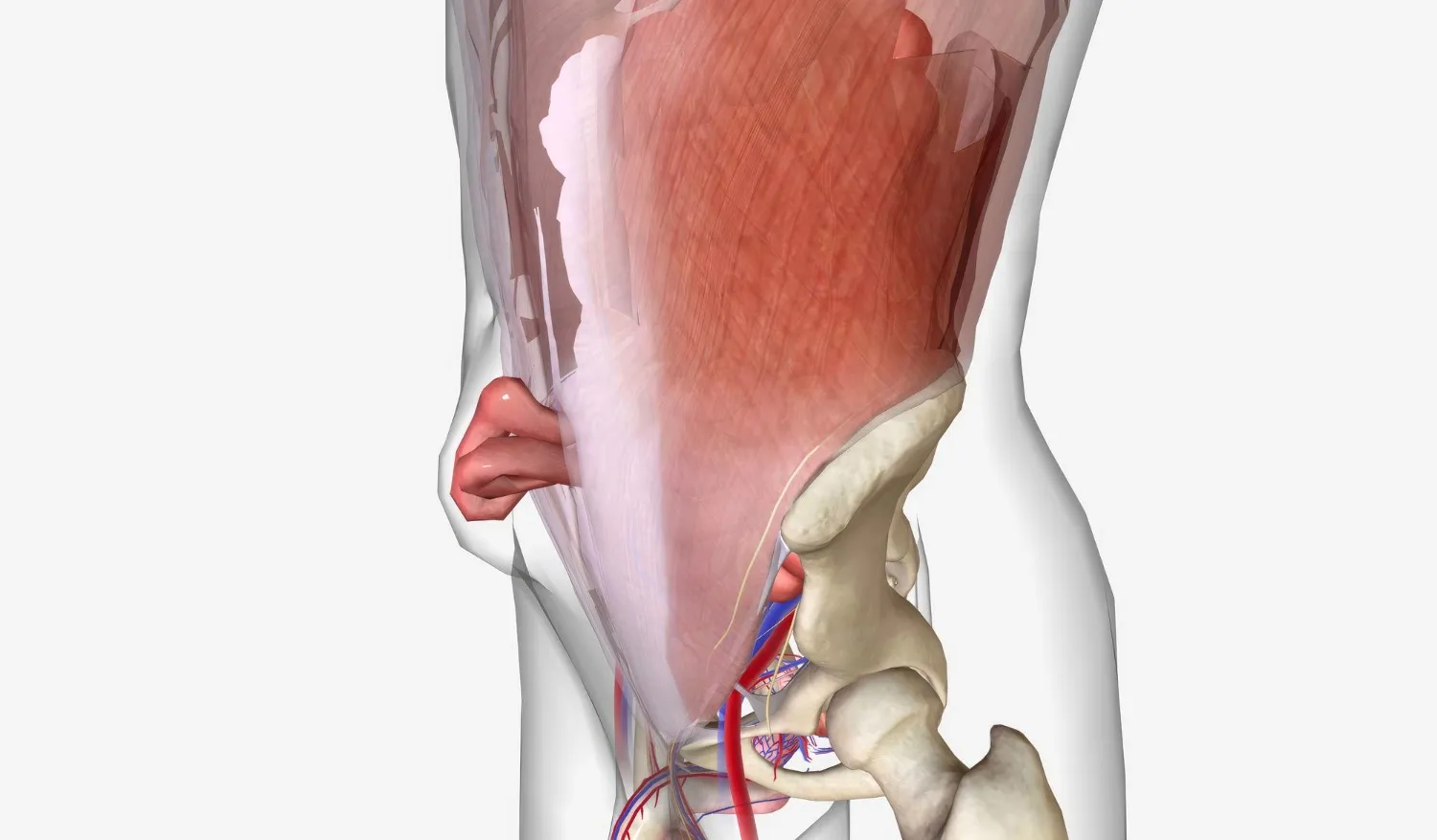
A hernia develops when tissue or an internal structure pushes through a weak area in the surrounding muscle or abdominal wall. It often appears as a visible or palpable swelling, although symptoms and location vary according to the type of hernia.
Common forms include inguinal hernia in the groin, umbilical hernia around the navel and incisional hernia at the site of a previous operation.
One characteristic feature of a hernia is that the swelling may become more noticeable while standing, coughing, lifting something heavy or straining. It may reduce or disappear while lying down, particularly in the earlier stages.
Patients may experience:
- A groin or abdominal bulge
- Heaviness or dragging discomfort
- Pain during physical activity
- Discomfort while coughing or bending
- A swelling near an old surgical scar
- Gradual enlargement of an existing lump
Some hernias cause little discomfort initially, which can lead people to postpone evaluation.
Why doesn't a hernia usually disappear permanently on its own?
A hernia involves a physical defect or weakness in the abdominal wall. Rest may temporarily reduce discomfort, and the bulge may go back inside, but this does not necessarily mean that the underlying defect has closed.
The size and symptoms can change over time. The appropriate timing of treatment depends on the type of hernia, symptoms, examination findings, overall health and risk of complications.
When does a hernia need urgent attention?
A previously reducible hernia that suddenly becomes very painful, firm or impossible to push back requires prompt assessment. Vomiting, abdominal distension or inability to pass stool or gas alongside a painful hernia can also indicate a complication.
These symptoms may occur if tissue becomes trapped within the hernia.
For residents of Goregaon and nearby parts of Mumbai, having a persistent abdominal or groin swelling clinically examined is preferable to assuming it is harmless based solely on the absence of pain.
Dr Vipul Nandu evaluates different types of hernias in Goregaon, Maharashtra, and determines whether observation or surgical repair should be considered. When surgery is appropriate, the choice between open and laparoscopic techniques depends on factors such as hernia type, previous operations and individual clinical circumstances.
A hernia is easier to understand once its exact location and type have been identified. Early evaluation gives patients an opportunity to discuss activity, treatment options and warning symptoms rather than waiting until discomfort significantly interferes with everyday life.
Keywords