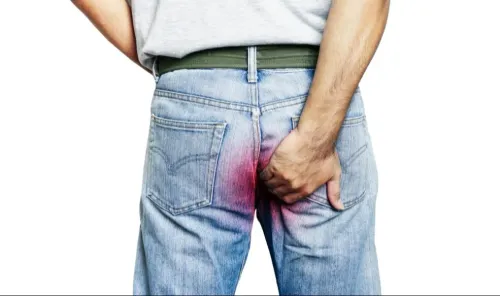

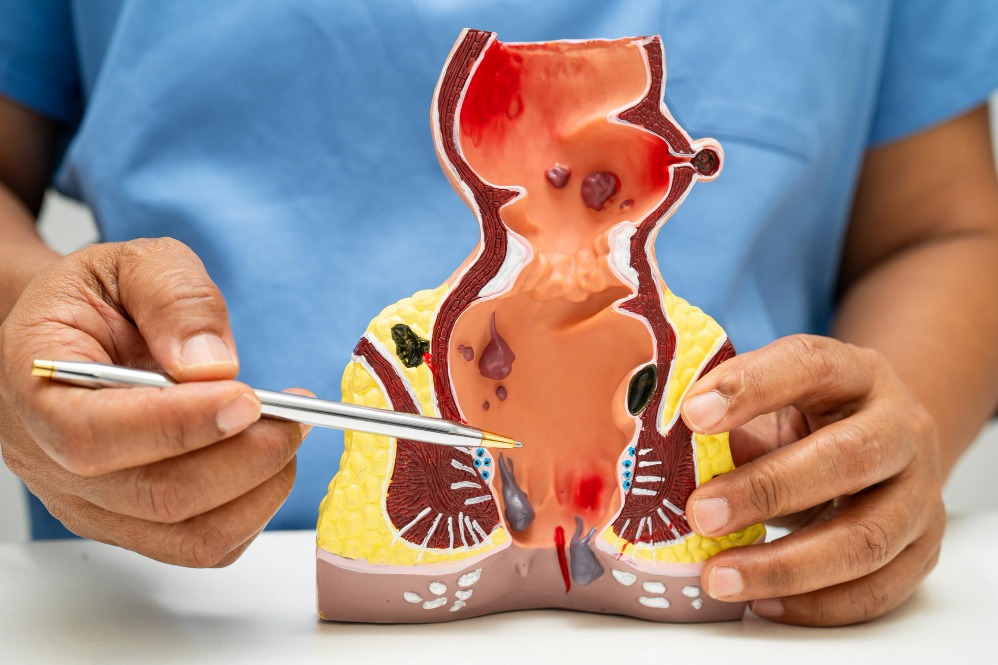
An anal fissure is a small tear in the lining of the anus. It often develops after passing hard stool and can cause sharp, cutting or burning pain during a bowel movement. The discomfort may continue for minutes or hours afterward, making some people afraid to use the toilet.
Dr. Vipul Nandu evaluates patients requiring anal fissure treatment in Goregaon, particularly when pain keeps returning or fails to improve with basic care. Correcting the factors that repeatedly injure the area is essential for lasting relief.
Mistake 1: Delaying Bowel Movements
Avoiding the toilet because of pain allows stool to remain in the bowel longer. More water is absorbed from it, making the stool harder and more difficult to pass.
This can create a cycle:
- A hard stool causes a tear.
- Passing stool becomes painful.
- The person delays the next bowel movement.
- The stool becomes harder.
- The fissure opens again.
Responding to the natural urge and keeping the stool soft can help break this pattern.
Mistake 2: Depending Only on Pain-Relief Creams
Over-the-counter creams may temporarily reduce burning or irritation. However, they may not address the muscle spasm and constipation associated with a persistent fissure.
Treatment may involve prescribed ointments that relax the anal muscle and improve blood flow to the affected area. These medicines must be used for the recommended duration; stopping as soon as pain improves may allow symptoms to return.
Mistake 3: Using Laxatives Without Guidance
Not every laxative works in the same way. Excessive use can cause loose motions, urgency and repeated irritation. On the other hand, an inadequate dose may leave the stool hard.
A clinician can recommend a suitable stool-softening plan based on bowel habits, diet, medicines and other medical conditions.
Mistake 4: Ignoring Hydration and Fibre
Fibre absorbs water and helps form softer, easier-to-pass stool. Increasing fibre without drinking enough water can sometimes worsen bloating or constipation.
A balanced approach may include:
- Vegetables and leafy greens
- Whole grains
- Fruits
- Adequate water
- Regular physical activity
- Consistent meal timings
People with medical conditions that restrict fluid or fibre intake should follow personalised advice.
Mistake 5: Assuming Every Painful Bowel Movement Is a Fissure
Piles, abscesses, fistulas, skin infections and inflammatory bowel conditions may cause anal discomfort. A fissure usually produces a characteristic tear and sharp pain, but an examination is needed when symptoms persist.
Patients searching for anal fissure treatment in Goregaon should seek prompt assessment if there is fever, swelling, pus-like discharge, heavy bleeding or unexplained weight loss.
When Is Surgery Considered?
A recent fissure may heal with stool regulation, warm baths and prescribed medication. A chronic fissure that repeatedly returns or fails to respond may require a procedure.
Lateral internal sphincterotomy is one surgical option. It involves carefully releasing a small portion of the tight internal anal muscle to reduce spasm and support healing. Because bowel-control risks must be considered, the choice requires individual evaluation.
Supporting Recovery in Goregaon
Mumbai’s busy work routines can lead to irregular meals, inadequate hydration and delayed toilet visits. Simple consistency often matters more than occasional intensive remedies.
Seek reassessment if pain is increasing, bleeding continues or symptoms fail to improve. For persistent discomfort, consult Dr. Vipul Nandu for a structured anal fissure treatment plan in Goregaon based on the duration and severity of the condition.