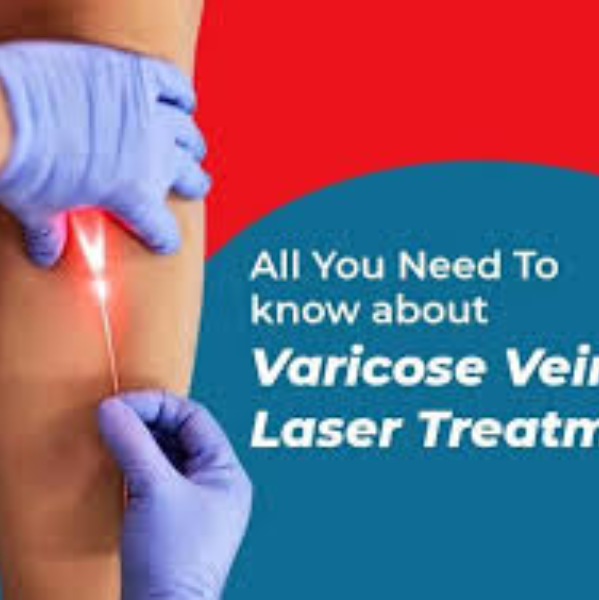
Varicose veins are enlarged, twisted veins that most commonly appear in the legs. For some people they are mainly a cosmetic concern, while others develop aching, swelling, skin changes or complications that affect daily comfort.
People looking into Varicose Vein Treatment in Goregaon should consider an evaluation when symptoms become persistent rather than choosing a procedure based only on the visible appearance of the veins.
Symptoms that deserve assessment
Varicose veins may be associated with:
- Aching or heaviness in the legs
- Swelling around the ankle
- Symptoms worsening after prolonged standing
- Itching or irritation over affected veins
- Night cramps in some patients
- Skin darkening around the lower leg
- Recurrent inflammation
- A wound near the ankle that heals slowly
- Bleeding from a superficial varicose vein
The presence of visible veins alone does not reveal the complete pattern of venous circulation.
Why might a Doppler test be required?
A venous Doppler ultrasound can help assess blood flow and identify whether valves within the veins are functioning properly. It can also help map the veins before certain interventions.
This information allows treatment to address the underlying venous problem rather than focusing only on veins visible at the skin surface.
What should you ask before selecting treatment?
Varicose vein management has evolved, and different options may be considered according to the venous anatomy and symptoms. Before proceeding, patients can ask:
- What is causing the varicose veins?
- Is Doppler imaging required?
- Do I need a procedure at this stage?
- Which treatment is suitable for the affected veins?
- What are the possible risks and recurrence considerations?
- How soon can normal walking and work resume?
Conservative measures may be appropriate for some patients, while others with significant symptoms, skin changes or complications may require an intervention.
Dr Vipul Nandu evaluates patients with surgical conditions in Goregaon, Maharashtra, including varicose vein concerns, and determines further management according to clinical findings and relevant investigations.
Do not wait for skin complications to understand the problem
Long-standing venous disease can sometimes lead to progressive skin changes around the ankle. Seeking evaluation when persistent heaviness, swelling or skin discoloration begins can clarify the severity of the condition.
For people whose work in Mumbai involves long periods of standing, symptoms may become particularly noticeable toward the end of the day.
The appropriate treatment depends on the pattern of venous disease rather than simply the number of visible veins. Proper assessment helps determine whether conservative care, further investigation or a procedure should be considered.
Keywords