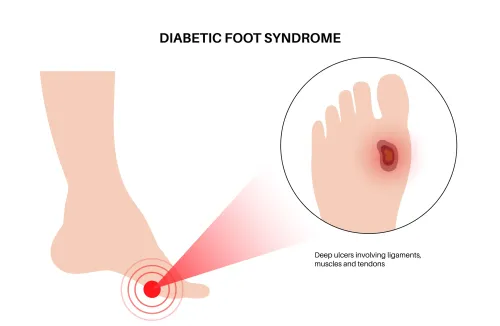

A small blister, cut or callus can become a serious problem in a person with diabetes. Reduced sensation may prevent pain from acting as an early warning, while poor circulation can slow healing and make infection harder to control.
Dr. Vipul Nandu evaluates patients requiring diabetic foot disease treatment in Goregaon, including those with infected wounds, ulcers and damaged tissue. A diabetic foot problem should be assessed early because its condition can worsen even when discomfort is mild.
Warning Signs That Should Not Be Ignored
Arrange prompt medical evaluation for:
- A cut, blister or wound that is not healing
- Redness or warmth around the foot
- Pus or unpleasant-smelling discharge
- Black or discoloured skin
- Increasing swelling
- Cracks between the toes
- New numbness or tingling
- A hot, swollen foot without a clear injury
- Fever or unusual weakness
- A change in foot shape
Loss of sensation means a patient may continue walking on an injury without realising it. Daily visual inspection is therefore essential.
What a Complete Assessment Should Include
Effective diabetic foot disease treatment in Goregaon begins with more than cleaning the wound. The medical team may assess:
- The depth and size of the ulcer
- Signs of infection
- Blood supply to the foot
- Sensation and nerve damage
- Blood glucose control
- Pressure points caused by footwear or deformity
- Possible involvement of deeper tissue or bone
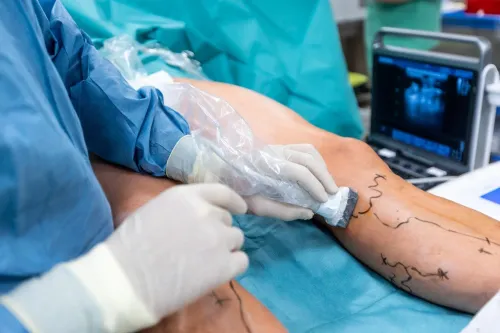
Blood tests, wound samples, X-rays, Doppler ultrasound or other imaging may be required depending on the findings.
Why Wound Dressing Alone May Not Be Enough
A dressing protects the wound, but healing may remain slow if pressure, infection, dead tissue, high blood sugar or inadequate circulation is not addressed.
Treatment can involve:
- Appropriate wound cleaning and dressing
- Removal of dead or infected tissue
- Antibiotics when infection is present
- Reducing pressure on the affected area
- Blood glucose management
- Footwear modification
- Circulation assessment
- Drainage of an abscess
- Surgery for extensive infection or damaged tissue
The plan should be adjusted as the wound changes.
Indicators That Urgent Hospital Care Is Needed
Go to a hospital in Goregaon or another suitable Mumbai facility if there is rapidly spreading redness, blackening of toes, severe swelling, fever, confusion, persistent vomiting or a foul-smelling wound.
Sudden coldness, paleness or severe pain in the foot may indicate critically reduced circulation. A red, hot and swollen foot can also require urgent assessment even when there is no open wound.
Questions to Ask the Treating Provider
Patients and family members should ask:
- Is the wound infected?
- How deep is the ulcer?
- Is blood circulation adequate?
- Could the bone be involved?
- Should weight be kept off the foot?
- How often should dressings be changed?
- Which signs require emergency care?
- How will recurrence be prevented?
A coordinated plan may involve surgical care, diabetes management, vascular assessment, wound care and suitable footwear.
Protecting the Foot During Recovery
Never walk barefoot, apply harsh chemicals to the wound or cut corns at home. Check both feet daily using a mirror if necessary. Keep the skin clean and moisturised, but avoid applying cream between the toes.
Wear properly fitting footwear and inspect the inside for stones, rough seams or sharp objects. Blood glucose, blood pressure and cholesterol management also support long-term foot health.
Early treatment can preserve tissue and reduce the likelihood of major complications. For a non-healing wound or suspected infection, arrange prompt diabetic foot evaluation with Dr. Vipul Nandu in Goregaon.
Keywords