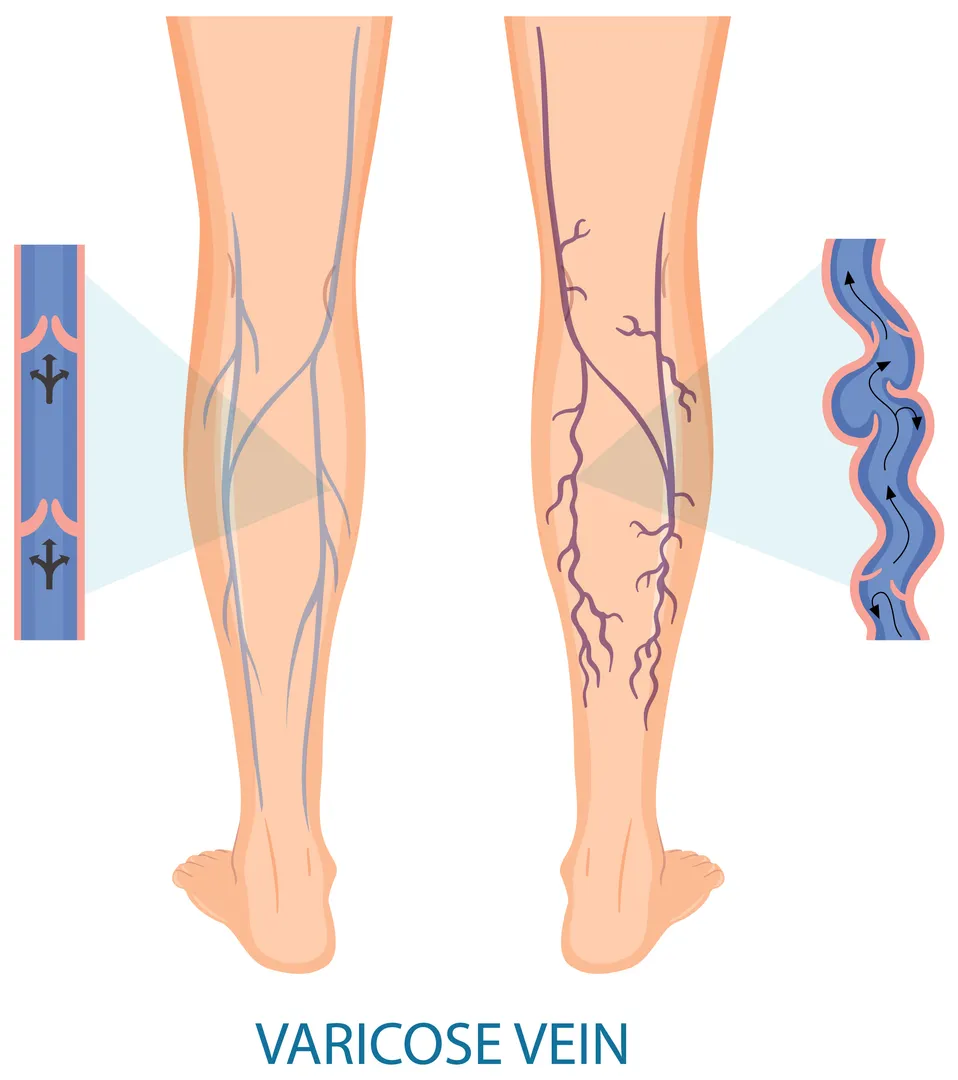
Varicose veins are enlarged, twisted veins that commonly appear on the legs. For some people, they are mainly a cosmetic concern. For others, they cause aching, heaviness, swelling, itching, skin changes or wounds around the ankle.
Dr. Vipul Nandu assesses patients exploring varicose vein treatment in Goregaon and determines whether symptoms arise from underlying venous reflux. Selecting treatment without evaluating blood flow can result in an incomplete plan.
When Do Varicose Veins Need Treatment?
Medical assessment becomes important when varicose veins cause:
- Persistent leg heaviness or aching
- Swelling around the ankle
- Itching or burning over the veins
- Night cramps
- Skin darkening or hardening
- Recurrent inflammation
- Bleeding from a superficial vein
- A slow-healing ankle wound
- Increasing discomfort during work or travel
People who stand for long periods—including teachers, healthcare workers, retail staff and hospitality employees—may notice worsening symptoms by evening.
Why Is a Doppler Ultrasound Important?
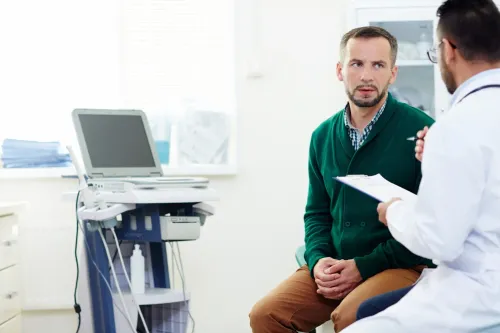
A venous Doppler ultrasound shows how blood moves through the veins and identifies valves that are not functioning properly. It can also help detect a blood clot and map the veins before a procedure.
Patients seeking varicose vein treatment in Goregaon should ask whether the recommendation is based on clinical examination and Doppler findings. The visible vein may not be the only source of the problem.
Conservative Care vs a Vein Procedure
Conservative measures may help control mild symptoms. These include:
- Regular walking
- Avoiding prolonged standing or sitting
- Elevating the legs while resting
- Maintaining a healthy weight
- Caring for dry or irritated skin
- Wearing correctly fitted compression stockings when advised
These steps may reduce discomfort but do not always correct the underlying faulty vein.
A procedure may be considered when symptoms persist, complications develop or Doppler testing confirms significant venous reflux.
Understanding the Available Treatment Options
Treatment depends on the size, location and pattern of the affected veins. Options may include:
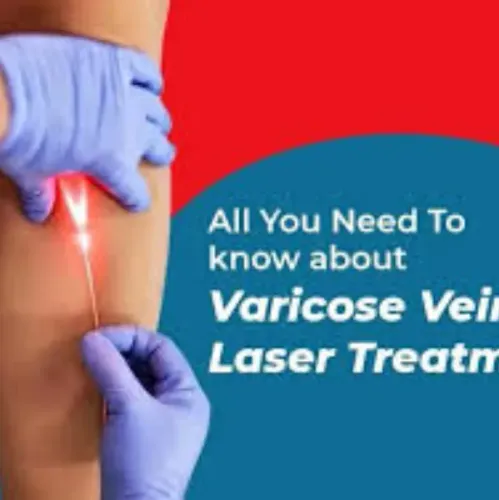
- Endovenous laser treatment: Heat is used to close the faulty vein from within.
- Radiofrequency ablation: Radiofrequency energy seals the vein.
- Sclerotherapy: A solution or foam is injected into selected veins.
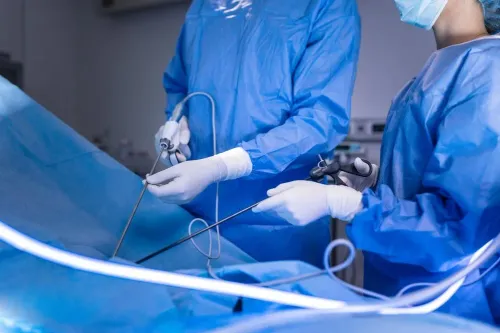
- Small-incision vein removal: Visible surface veins are removed through tiny openings.
- Conventional surgery: This may remain appropriate in selected cases.
Closing or removing a diseased superficial vein usually redirects blood through healthier veins. The recommended approach should match the Doppler findings and patient’s health.
Questions to Ask Before Treatment
A useful consultation should address:
- Which vein is causing the symptoms?
- Is treatment medically necessary or primarily cosmetic?
- What alternatives are available?
- Will compression stockings be required afterward?
- How soon can walking and work resume?
- What is the possibility of recurrence?
- Is follow-up Doppler imaging necessary?
Patients commuting through Goregaon or working in physically demanding roles should discuss travel, standing and activity restrictions in advance.
When Is Immediate Medical Care Needed?
Sudden one-sided leg swelling, severe calf pain, warmth, redness, chest pain or breathlessness requires urgent medical evaluation. These symptoms should not be treated as routine varicose vein discomfort.
The right treatment begins with identifying the source of venous reflux rather than focusing only on appearance. For a clinical and Doppler-based varicose vein assessment in Goregaon, schedule a consultation with Dr. Vipul Nandu.
Keywords